The Rise of Offline Music: Why People Are Going Back
Streaming made music easy, but also disposable. Discover why more people are turning back to offline music for focus, calm, and meaning.
You open a music app, press play, and within minutes you’re already distracted.
A notification appears. A message comes in. The song doesn’t grab you fast enough, so you skip it. Another starts. Then another. Half an hour later, you’ve heard plenty of music, but almost none of it has actually stayed with you.
That’s the strange thing about listening today.
Music is everywhere, but it rarely feels like an experience anymore.
It fills silence. It covers noise. It keeps us company while we do something else. But more and more people are starting to notice the same uncomfortable truth: we don’t listen to music anymore
We just let it run in the background while our attention keeps moving somewhere else.
That is part of the reason offline music is starting to feel so appealing again.
For years, streaming promised freedom. Every song in the world, instantly available, always within reach. And in some ways, that still feels amazing. But having unlimited access has also changed the way we value what we hear. When everything is available all the time, almost nothing feels rare enough to matter.
Music becomes easy to skip, easy to replace, easy to forget.
That constant availability creates its own kind of exhaustion. Too many choices. Too many playlists. Too many recommendations trying to guess what you want before you even know it yourself. Instead of feeling inspired, a lot of people just feel overstimulated.
That is why the rise of offline music is not really about nostalgia alone.
It is about relief.
Listening offline creates a boundary. It takes music out of the same digital space where your emails, messages, feeds, and distractions all live. It gives songs a different atmosphere. More focus. More weight. More room to breathe.
And once you feel that difference, it is hard to ignore.
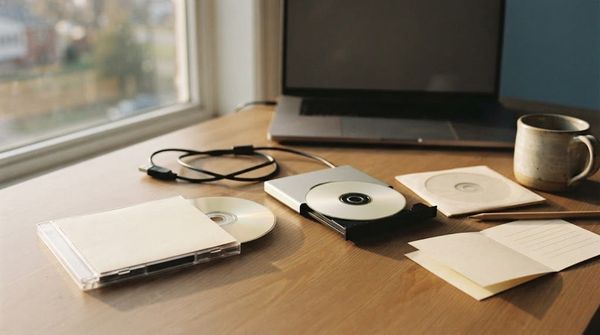
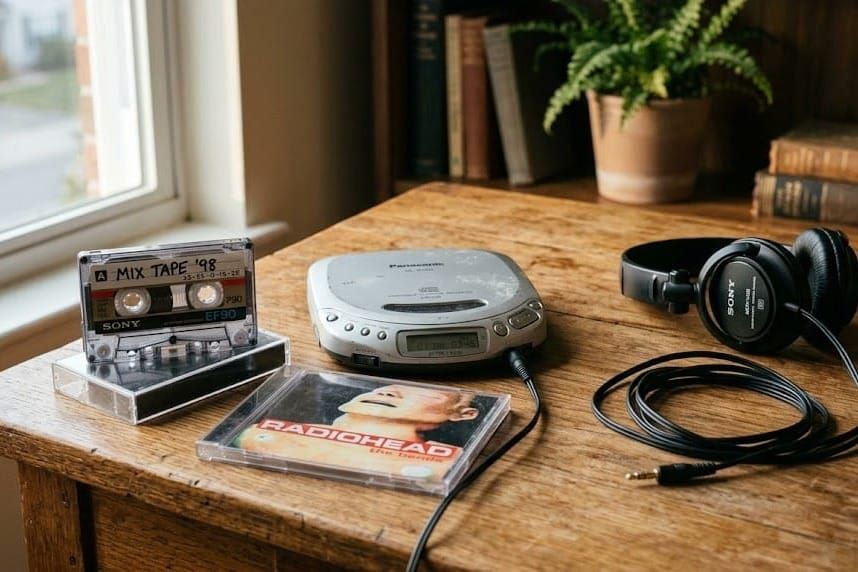
There is something deeply calming about physical formats. A CD, a cassette, a jewel case sitting on a shelf. Music that exists somewhere outside a screen. Something you choose on purpose.
That is also why portable CD players are making a comeback
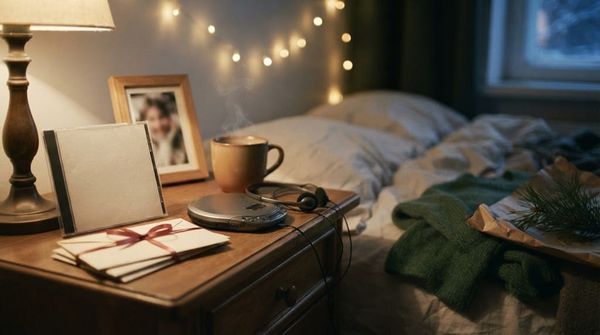
Not because people suddenly forgot streaming exists, but because they are tired of the way streaming makes everything feel disposable. A simple setup with a portable CD player like this one gives you a way back into music that feels slower and more intentional.
You take the disc out. You put it in. You press play.
And then you stay with it.
That small ritual changes the whole experience. You are no longer scrolling. No longer searching for the next thing. No longer treating songs like tiny interchangeable pieces of content.
You are listening.
That is the real benefit of offline music. It brings back presence.
It reminds you that music was never supposed to be just another app fighting for your attention. It was supposed to hold it.
And once you start listening like that again, something else becomes obvious: the songs you choose matter more.
Without the algorithm constantly feeding you new things, you start paying closer attention to what you actually want to hear. Certain tracks come back more often. Certain albums start to feel like companions. Certain memories become sharper.
That is where offline listening becomes personal.
Not just a format. A feeling.
A private space where the music that matters most can actually land.
And that is also why physical music makes such a strong gift. A streaming link disappears into a message thread. A playlist gets buried under notifications. But a custom mixtape gift feels different because it takes the same emotional idea and gives it form.
It can be held. Kept. Played again years later.
That matters.
Because the real appeal of offline music is not just that it sounds good or looks nostalgic. It is that it slows everything down enough for meaning to come back.
In a world built around speed, that feels almost rebellious.
People are not going back to offline music because they want to reject modern life completely. They are going back because they want at least one part of life to feel calmer, simpler, and more real.
And music is the perfect place to start.
If you’re tired of endless playlists, constant skipping, and the feeling that your favorite songs never fully land anymore, maybe the answer is not more access.
Maybe it’s less.
Less noise. Less interruption. Less scrolling.
More intention.
More focus.
More music that actually stays with you.
Step away from the endless digital scroll, bring your favorite songs back into the real world, and start creating your own mixtape