The First Album You Ever Owned (And Why It Still Matters)
The first album you ever owned wasn't just music. It was an object, a memory, a before and after. Here's why that feeling still matters — and how to pass it forward.
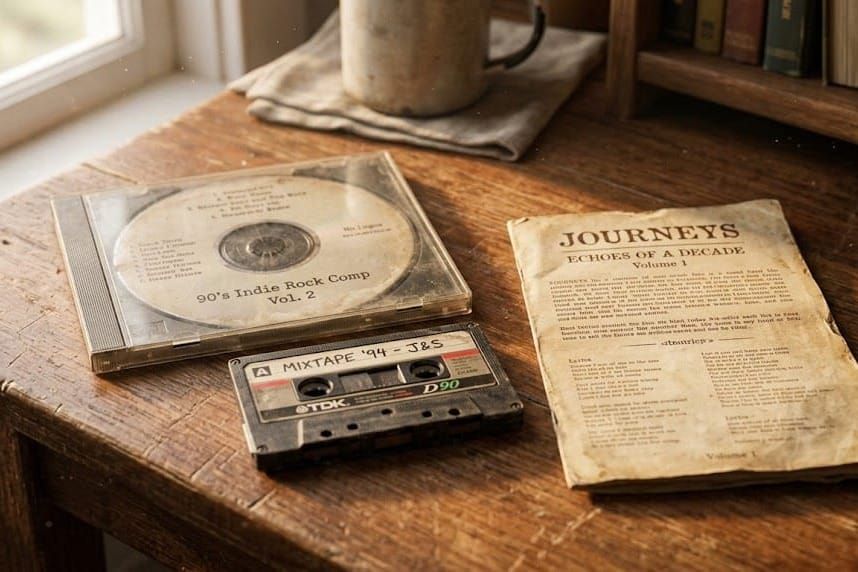
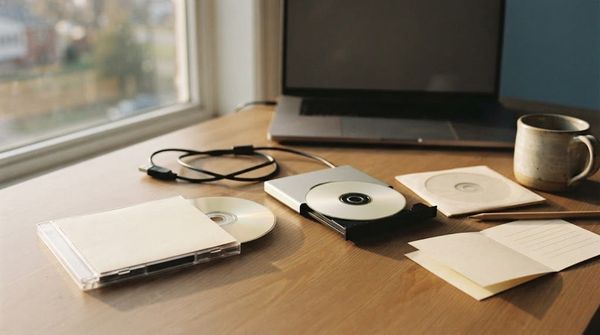
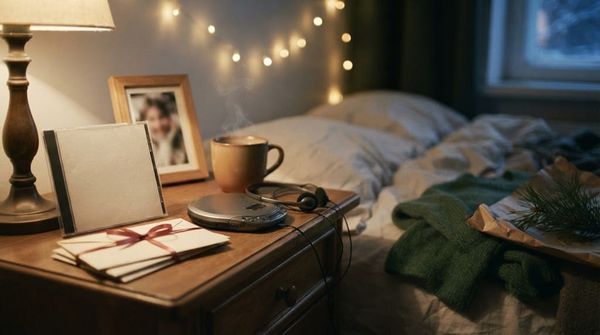
There's a specific kind of memory that lives in your hands before it lives in your head. The weight of a case. The sound of a tray clicking open. The smell of a booklet you've unfolded and refolded so many times the creases have gone soft. For a lot of people, the first album they ever owned isn't just a record — it's a timestamp. A before and after. The moment music became yours in a way that streaming has never quite replicated.
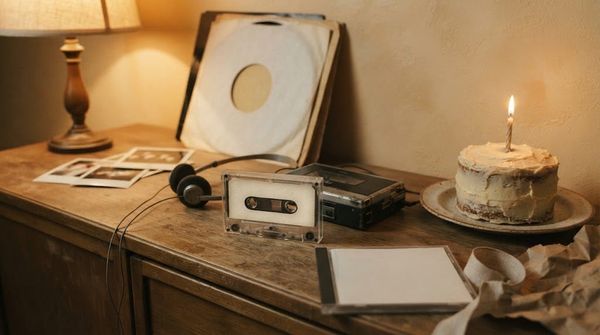
You probably remember yours. Maybe it was a birthday gift from a parent who didn't fully understand your taste but tried anyway. Maybe you bought it yourself with saved-up money, from a shop you had to take two buses to reach. Maybe it was a hand-me-down from an older sibling, already worn in at the edges, already carrying someone else's fingerprints. Whatever the story, you remember the feeling of holding it for the first time.
That feeling wasn't just excitement. It was ownership. Not the legal kind — the emotional kind. The sense that this object, these songs, this cover art, belonged to you in a way that nothing digital ever really does.
Why physical music creates stronger memories
There's a reason the first album you owned stays so vivid. Physical objects anchor memories in ways that abstract experiences can't. When music comes with a thing you can hold — a disc, a case, a printed insert — it gives memory something to grip. The song is no longer just a song. It becomes part of an afternoon, a bedroom, a version of yourself that no longer exists but hasn't entirely disappeared either.
This is something we've explored before on this blog, looking at why some songs instantly take you back to a specific moment — the way music and memory are wired together in ways that feel almost unfair. A three-minute song can reconstruct a whole year. The album that first made you feel that was probably your first, or close to it.
Digital music doesn't create the same anchors. A playlist lives in a server. A streaming library is an account. But an album you owned — that you physically held, lost, scratched, found again — becomes part of your life in a different way. It occupies space in the room and in your memory simultaneously.
The songs that arrived before you understood them
One of the stranger things about a first album is that you often didn't fully understand it when you got it. The lyrics were too adult, too raw, too oblique. The mood was something you felt rather than something you could name. You listened anyway — because it was yours, and listening was a form of devotion.
Then years passed. You changed. And one day you put it on again — or heard a song from it in a shop, in a film, in someone else's story — and suddenly understood what it had been trying to tell you all along. Music doesn't always reveal itself on first listen. Sometimes it waits.
That patience is part of what makes physical albums different. When something lives on a shelf or in a drawer, it stays available in a way that a saved Spotify track somehow doesn't. The album waits for you to come back. And when you do, you're rarely the same person who left it there.
The cover art you memorized without trying
Ask anyone about their first album and they'll describe the cover before they describe the music. The color. The image. Whatever text was printed on the back that they read so many times it became a kind of quiet prayer. Cover art on a physical album is a different experience from a thumbnail on a phone. You spend time with it. You hold it at different angles. You wonder about it.
There's something about that prolonged attention — that slow looking — that doesn't exist in the same way when music is entirely digital. The art becomes part of the sound. You can't hear the album without seeing the cover in your mind first. That's not nostalgia. That's how physical music actually works on the brain.
Why it matters now
You might be wondering what any of this has to do with the present. You have a phone full of music. You can access almost every song ever recorded in seconds. Why does the first album you held in your hands forty years ago — or fifteen, or five — still matter?
It matters because it showed you what music could be. Not just background. Not just filler. Something deliberate, curated, sequenced, meant to be experienced as a whole. The person who made that album decided what came first and what came last. They thought about the space between tracks. They put something on the cover because they wanted you to feel a certain way before you'd heard a single note.
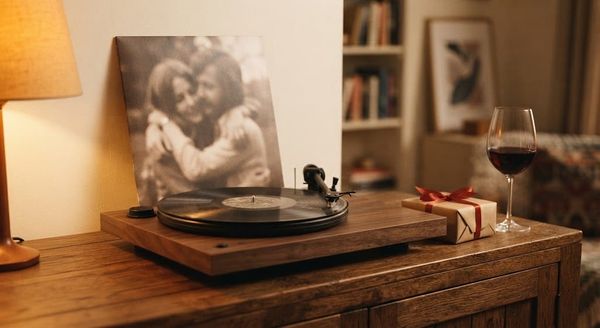
That's the kind of intention that's become rarer. And rarer things become more valuable, not less. As we've written before about why physical music hits different — and always will, there's something in the act of choosing, sequencing, and holding music that changes how it lands.
Passing it forward
The interesting thing is that this experience — the first album that changes how you understand music — is not something your own generation has a monopoly on. Younger people are feeling it too, in ways that surprise people who assumed the format was dead. They're buying records. They're collecting cassettes. They're looking for the thing that feels like more than a song in a feed.
Gen Z's return to analog formats isn't ironic or performative for most of them. It's a genuine search for the same thing you found in your first album: a piece of music that exists in the world, that you chose, that says something about who you are.
Which means there's still a way to give someone that feeling. You can't go back and hand someone the first album that changed you. But you can create something with similar weight and intention — songs selected for one specific person, packaged as an object, designed to be held and kept.
That's what a custom mixtape is, at its core. Not a playlist. Not a link. Something physical, chosen deliberately, made to last. If you want to give someone the feeling you're still carrying from your first album, that's probably the closest you can get.
Start building your own at customixtape.com — and give someone a first that stays with them.