Why Some People Still Buy CDs in 2026 (And They're Right)
Every few months someone publishes an article surprised that CD sales are up again. Here's why the people buying them aren't confused — they just know something the streaming discourse keeps missing.
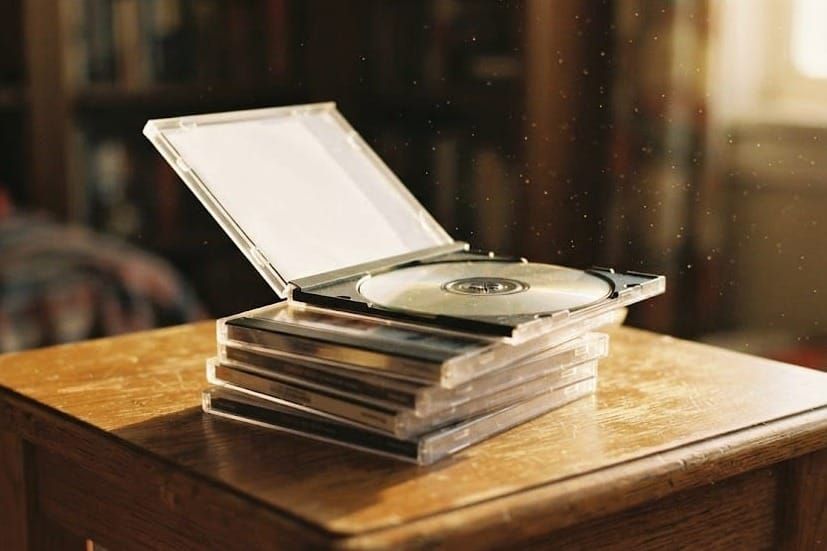
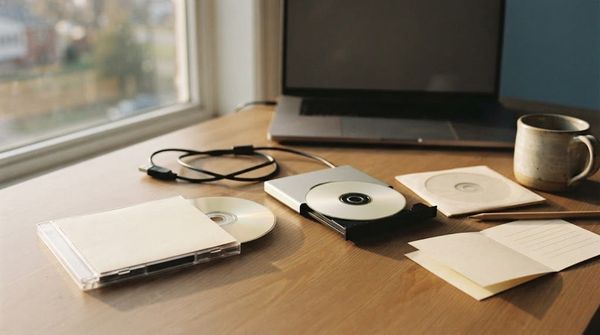
Every few months, someone publishes an article with mild amazement in the headline. CD sales are up. Again. Despite everything. Despite streaming having won, despite the death of the CD player being announced multiple times, despite the fact that most laptops haven't had a disc drive in a decade.
The tone of these articles is usually bemused. Who are these people? the writers seem to wonder. What do they know that we don't?
The answer is: quite a lot, actually.
Streaming gave us access. It took away ownership.
When streaming arrived, it felt like a pure upgrade. Everything, always, for a monthly fee. No need to buy albums you weren't sure about. No shelf space used up. No scratched discs.
What nobody talked about at the time was what we were giving up. When you stream music, you don't own it. You rent access to it. The catalog you've spent years living inside can change overnight — albums disappear, licensing deals expire, services shut down. The music you listened to on the worst night of your life might not be there when you want to revisit it.
A CD sits on your shelf and plays whenever you want it to. No subscription. No algorithm deciding what's available. No company between you and the music.
The listening experience is different and that's the point
There's a version of the streaming argument that goes: the audio quality difference doesn't matter because most people can't hear it. That may be true in a technical sense. But it misses what actually changes when you listen to an album on CD versus through a playlist.
When you put a CD on, you listen to the album. The whole thing, in order, the way the artist sequenced it. You don't skip. You don't shuffle. You don't get interrupted by an autoplay suggestion after the last track. You sit with the music and the music sits with you.
That's not nostalgia. That's a different relationship with what you're hearing. And a lot of people, having tried both, prefer it.
CDs are cheap and the back catalog is enormous
Here's something the streaming discourse tends to forget: secondhand CDs cost almost nothing. You can walk into a charity shop or a record fair and come out with a decade of music for less than the price of a monthly subscription. Albums you'd never risk streaming because you don't know them well enough to commit thirty minutes to.
The physical CD market has also kept prices low even for new releases, partly because the format is no longer the primary commercial vehicle it once was. For anyone who actually wants to own music — not rent it, own it — CDs remain the most affordable way to build a real collection.
There's something about the object
This is the part that's hardest to argue rationally, but it's also the most honest. A CD is a thing. It has weight. It has artwork you can hold and read and look at properly, not squint at on a phone screen. It has a spine with the album name on it. It takes up space on a shelf in a way that makes your music visible — present in the room rather than buried in an app.
People who buy CDs often talk about how it changes their relationship with an album. You chose it. You paid for it. You own it. That changes how you listen to it in ways that are subtle but real.
The people buying CDs in 2026 aren't confused
They're not clinging to the past out of stubbornness or technophobia. Most of them use streaming too — for discovery, for convenience, for background listening. But they also know what they lose when that's the only way they listen.
They want to own the things that matter to them. They want to listen without interruption. They want the album as the artist made it. They want something on their shelf that they can hand to someone else, or find ten years from now and remember exactly where they were when they bought it.
That's not a failure to adapt. That's a choice about what music is worth.
If you want to give someone music they can actually hold — their favourite songs on a custom CD with your own artwork — start creating your own mixtape →