Why Handmade Gifts Feel More Expensive Than They Cost
There's a particular kind of gift that makes the person receiving it think you spent more than you did. Not because it looks expensive — but because it carries something money alone can't produce.
There's a particular kind of gift that makes the person receiving it think you spent more than you did. Not because it looks expensive, and not because you tried to make it look that way — but because it carries a quality that money alone can't produce. You can feel it when you open one. Something went into this that a store couldn't sell.
That quality is attention. And attention, as it turns out, reads as value in a way that price tags don't.
When someone buys a gift, they're exchanging money for an object. When someone makes a gift, they're exchanging time, thought, and a kind of vulnerability — the risk that the specific thing they made won't land, because it's too specific, because it was made for this particular person and nobody else. That specificity is what signals care. It's also what makes a handmade gift hard to return or replicate, which is part of why it stays with people long after a purchased one would have been forgotten.
Psychologists who study gift-giving have noted something interesting: receivers consistently overestimate how much effort went into gifts they perceive as personal, and underestimate the effort behind ones they don't. The perception of effort is not the same as the actual effort. What matters is whether the gift communicates that someone thought about you — specifically you, not just the category of person you belong to.
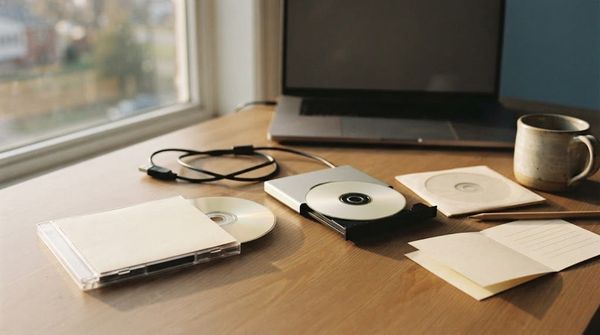
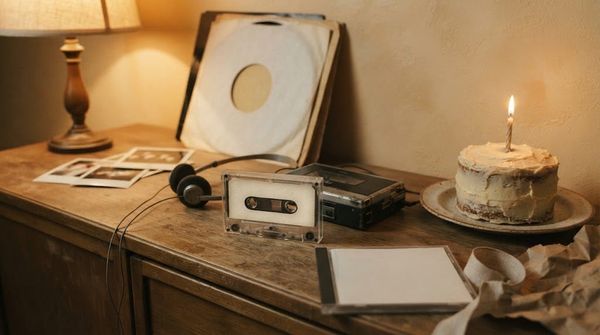
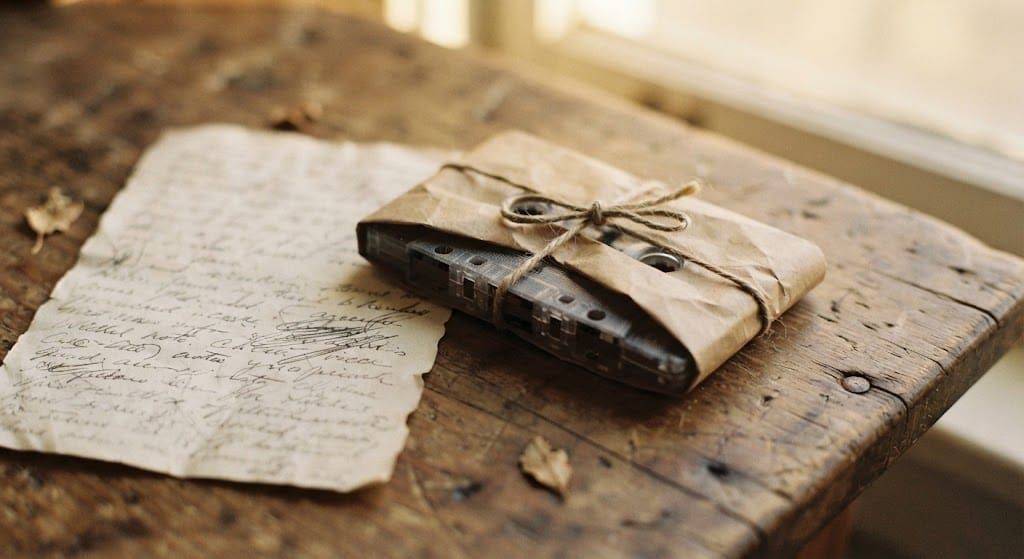
This is why a custom mixtape often registers as more generous than a gift that cost five times as much. A cassette made for someone carries embedded decisions: which songs, in which order, starting where and ending where. Each choice is evidence of thought. The recipient can feel the thinking behind it even if they can't name it. That's not sentiment — it's information the gift is transmitting.
The handmade thing also sidesteps a trap that most gift-buying falls into: the assumption that what someone wants is something they couldn't get for themselves. Often, what people actually want is proof that they were seen. A handmade gift is inherently that proof. It can't exist without someone having paid attention to who you are.
There's also the matter of irreproducibility. A custom mixtape made for one person doesn't exist for anyone else. It can't be restocked or reordered. The version that arrived is the only one. That singularity doesn't inflate the cost of making it, but it inflates what it means to receive it. You hold something that was made to be yours, and you can feel the difference.
None of this is to say that bought gifts don't matter or that price is irrelevant. But when you're trying to give something that lands — something the person will actually remember — the question isn't usually "how much should I spend?" It's "what would tell this person that I was paying attention?" The answer is almost always something specific, something made, something that couldn't have been given to just anyone.
The cost of attention is lower than most people think. The return on it is not.
When you're ready, start creating your own mixtape at customixtape.com.