Why Giving Someone a Mixtape Is an Act of Love
Making a mixtape for someone isn't passive. It demands time, honesty, and a willingness to translate your feelings into music — and that's exactly what makes it an act of love.
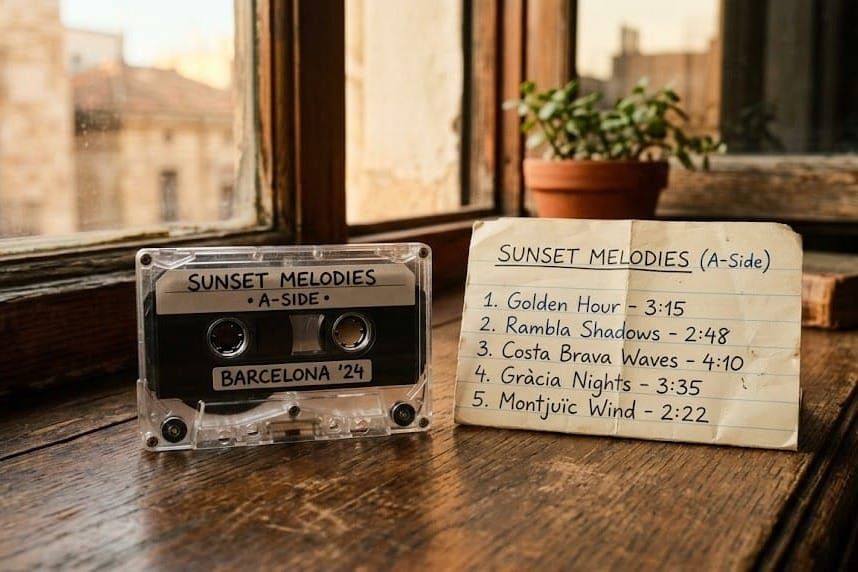
There's a moment that anyone who has ever made a mixtape for someone will recognize: you're scrolling through your music library at midnight, and you pull up a song you haven't thought about in years. But you think about them. You think about that drive you took together, or the way they looked at you the first time you heard that song in the same room. And suddenly the song isn't just a song anymore. It's a piece of evidence — proof of something felt, something real.
That's when you know the song belongs on the tape.
Making a mixtape for someone is not a passive act. It doesn't happen in thirty seconds, and it can't be automated. It requires you to sit with your feelings long enough to translate them into a sequence of songs, to hold someone in your mind while you ask yourself, honestly: does this say what I'm trying to say? There's a kind of emotional honesty baked into the process that most gift-giving simply doesn't demand.
It Takes Time, and That's the Point
Streaming playlists are frictionless by design. You can build one in minutes, share a link, and move on. The recipient knows this. Everyone knows this. That's not a criticism — playlists are genuinely useful — but it does mean that sending someone a Spotify link carries a different weight than handing them something physical.
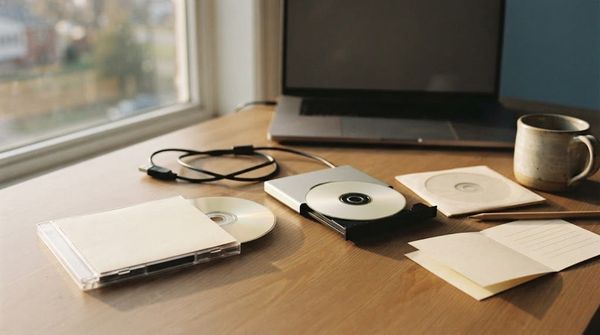
A mixtape — a real one, burned or dubbed onto a cassette or a CD — takes time in a way that a link simply doesn't. You have to think about sequence. You have to think about how one song flows into the next, about what the first track says and what the last one leaves behind. You have to make choices and then live with them, which is to say you have to commit.
This is, in its own small way, an act of vulnerability. And vulnerability is one of the oldest currencies of love.
The Selection Is the Message
What makes a mixtape different from a recommendation is intent. When you tell someone "you should listen to this album," you're sharing a taste. When you build them a mixtape, you're doing something closer to writing them a letter — except the words are borrowed from songs that already know how to say what you can't quite manage on your own.
Every song on a mixtape is a decision. And every decision reveals something: what you associate with this person, what you hope they'll feel, what you want them to understand about where you are. That's why a mixtape can be romantic, or consoling, or celebratory — the emotional direction comes entirely from the curator, not the content. Two people could use the exact same song to communicate entirely opposite feelings, depending on where they place it and what surrounds it.
This is what Turning Memories Into Music: How to Create a Meaningful Gift gets at: the act of curating music for someone is less about finding the "right" songs and more about the honesty of the gesture itself.
It Says: I Was Thinking About You
Most gifts are chosen at a distance. You think about what someone might need, what they'd probably enjoy, what falls within a reasonable budget. The process is largely about the recipient in the abstract.
A mixtape is different because it's built inside a specific relationship. You're not thinking about what someone might enjoy in general — you're thinking about this person, this moment, and what music means between the two of you. You might include a song because it was playing the first time you met. Or because it sounds exactly like them on Sunday mornings. Or because you've wanted to show it to them for months and never found the right moment.
Every one of those choices is a way of saying: I was thinking about you. Not when it was convenient. Not when a birthday reminder popped up on your phone. Just — thinking about you.
That's why, as we explored in The Gift That Says "I Know You": Why Mixtapes Still Matter, the most powerful thing a mixtape communicates isn't the music itself. It's the attention behind it.
The Object Matters Too
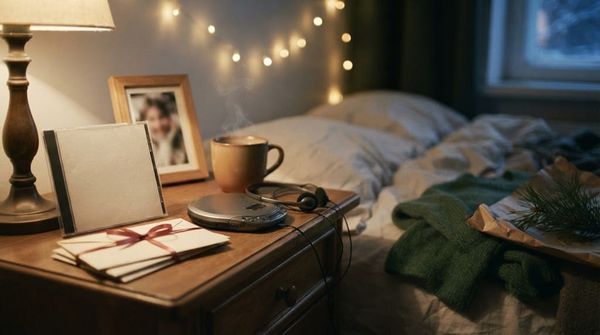
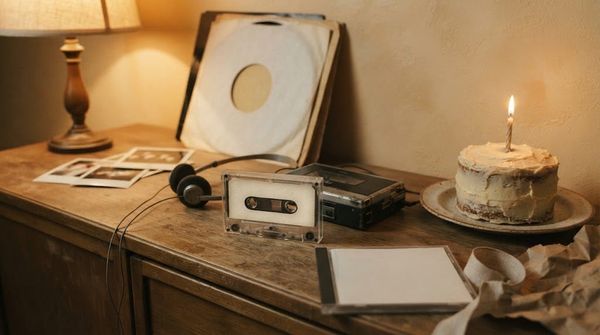
There's also something to be said for the physical form. A cassette or a CD is an object that exists in the world — it has weight, it has a side A and a side B, it has a cover that someone designed. It can sit on a shelf or in a glove compartment. It can be played at a specific moment, in a specific place, by choice.
This is meaningfully different from something that lives in an app. Digital music is always available, which also means it's never quite special. A physical mixtape has to be sought out and played deliberately — and that deliberateness changes the listening experience entirely.
There's a reason why why a cassette gift feels more personal than a playlist link resonates with people who've experienced both. The songs might be identical. But the ritual of pressing play on something someone made with their hands, for you, is its own kind of intimacy.
Love Is a Series of Small, Specific Choices
Here is the thing about big romantic gestures: most of them are easy to understand from a distance, and harder to feel up close. Grand gestures communicate effort more than they communicate knowing. Anyone can book a restaurant. Not everyone would know which song you need to hear right now.
A mixtape, by contrast, is built entirely from specificity. It's a document of someone paying attention. Of someone sitting with their love for you long enough to let it take the shape of a playlist — to ask themselves, again and again: does this song belong here? Is this honest? Will they feel what I mean?
That's not just gift-giving. That's the quiet architecture of intimacy.
And if you're ready to give someone that — not a link, not a gift card, but something made — CustoMixtape lets you turn any playlist into a real custom cassette or CD, designed the way you want it, ready to hold.