The Difference Between a Playlist and a Mixtape (It Matters More Than You Think)
A playlist is a gesture. A mixtape is a statement. Here's what separates them — and why it matters more than most people realize.
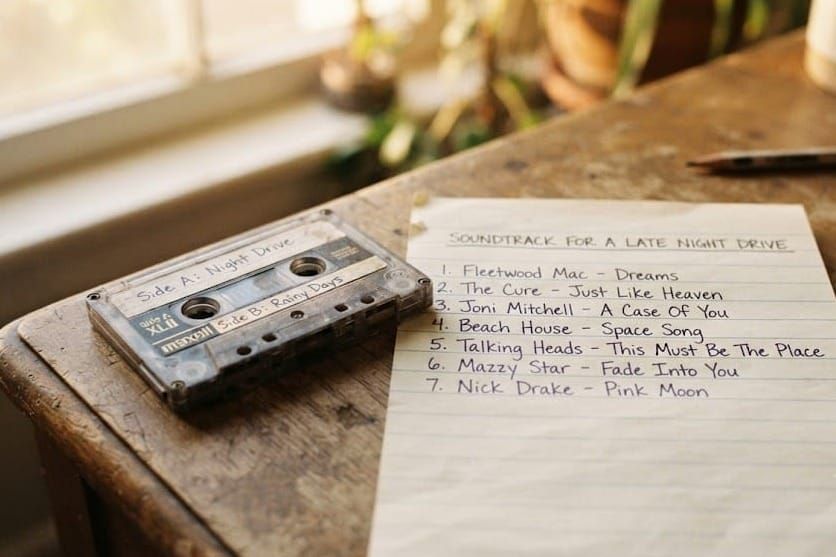
There's a moment most people have experienced at least once. Someone shares a Spotify playlist with you — a link in a text message, maybe a short note like "made this for you." It's sweet. You open it, hit play, and it's good. It's genuinely good. And yet something about it doesn't quite land the way you expected it to.
You couldn't explain why. The songs are right. The intention was clearly there. But something about the gesture feels slightly incomplete, like a sentence that ends just before the period.
That feeling isn't ingratitude. It's your instincts picking up on something real: a playlist and a mixtape are not the same thing. They never were. And the difference between them has nothing to do with where you store the files.
The Playlist Is Infinite and Painless
A playlist lives in the cloud. It can be added to at any time, edited on a Tuesday afternoon, reshuffled without consequence. Songs can be removed if they stop feeling right. The whole thing can be deleted in a second. It costs nothing — not money, not time, not finality.
That fluidity is one of streaming's great gifts. It makes music feel alive, constantly evolving, always correctable. But it also means a playlist carries almost no weight. It's a recommendation, not a declaration. It says I've been thinking about you in the same breath it says I could also un-think this at any moment.
There's no friction. And friction, it turns out, is part of what makes something meaningful.
The Mixtape Is a Decision You Can't Take Back
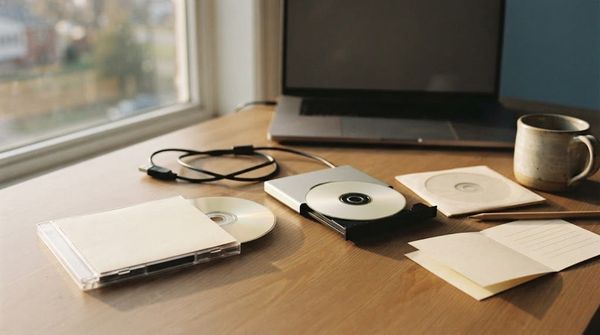
A cassette or a CD exists in the world. Once you've burned it, pressed it, labeled it, and handed it over — it's done. There's no editing the fourth track because you reconsidered. There's no quietly removing a song that felt too vulnerable once the moment passed. The mixtape is fixed in time, which is exactly what gives it its power.
When someone sits down to build a proper mixtape, they're not scrolling and tapping. They're making choices with stakes. Every song is a commitment. The order matters — the arc from opening track to closing note tells its own story, and getting it wrong means starting over. The label has to be written by hand or designed with care. The case needs a cover. It takes hours, sometimes days, to get right.
That effort is visible. Not in an obvious, look-what-I-did way, but in the way the whole object radiates intention. You hold a mixtape and you feel the weight of someone's decision-making in your hands. As we've written before, a cassette gift feels fundamentally more personal than a playlist link — and that's not sentimentality, it's physics.
What You're Really Giving When You Give a Mixtape
A playlist is a window into someone's taste. A mixtape is a portrait of a relationship.
The songs on a mixtape aren't just songs the maker likes. They're songs chosen specifically for you — for what they know about you, for what you've been through together, for what they want you to feel when you sit alone with headphones on. The selection is narrow on purpose. A 70-minute cassette or a 74-minute CD doesn't hold everything. It holds what mattered most.
The psychology of receiving something physical is fundamentally different from receiving a link. When you open a box and find a cassette with your name on the label, your brain processes it as a gift in the truest sense — something made, something given, something that can be held. The digital equivalent, however thoughtful, doesn't trigger the same response. It doesn't have a smell. It doesn't catch the light.
The Shuffle Button Ruins Everything
There's another difference that doesn't get talked about enough: the mixtape demands to be listened to in order.
A playlist is played on shuffle by default, or skipped through freely. Most people never get to track eight. The curator's intended journey — the slow build, the emotional pivot at track five, the closing note chosen to linger — goes unheard. The experience is whatever the listener makes of it in the moment.
A mixtape resists that. The death of the shuffle button isn't just a nostalgic complaint — it's about the difference between a curated narrative and a bag of songs. When someone builds a mixtape, they're trusting you to follow it from beginning to end. And when you do, you hear something you can't get from a playlist: a story with a structure.
That's the thing about physical formats. The cassette rewinds to the beginning. The CD plays through. You don't skip, you listen. And somewhere in that sustained attention, the whole thing adds up to more than the sum of its tracks.
A Playlist Can Become a Mixtape
Here's the part that matters practically: if you've already built the perfect playlist — the one that tells the story, the one you keep coming back to because it just feels right — it doesn't have to stay digital.
Turning a Spotify playlist into a physical gift is one of the most direct ways to change its meaning without changing a single song. The selection stays the same. But suddenly it has weight. It has a cover. It can sit on a shelf or be played in the car or kept in a drawer for years. It becomes an object, and objects hold memory in ways that links simply don't.
The ritual of crafting the perfect mixtape — even when you're building it from a playlist you already love — is the act of deciding that those songs deserve to exist in the world beyond a screen. That the person you're giving it to deserves something they can hold.
The Difference Is the Gesture
At the end of it, the distinction between a playlist and a mixtape isn't really about format. It's about permanence, effort, and intention made visible.
A playlist says here are some songs I think you'd like. A mixtape says I sat with this, I made decisions, I built something for you, and now it's yours. One is a gesture. The other is a statement.
People can feel the difference, even if they can't always name it. That's why a mixtape — even a modest one, even something simple — tends to be remembered long after the streaming link has been forgotten. It was never just about the music. It was about the fact that someone made it real.
If you have a playlist that deserves to become something more, start creating your own mixtape and give it the weight it was always meant to carry.