Why Making a Mixtape for Someone Is Still the Most Romantic Thing You Can Do
A shared playlist is kind. A good recommendation is sweet. But a mixtape made for someone — chosen, ordered, designed — is something else entirely.
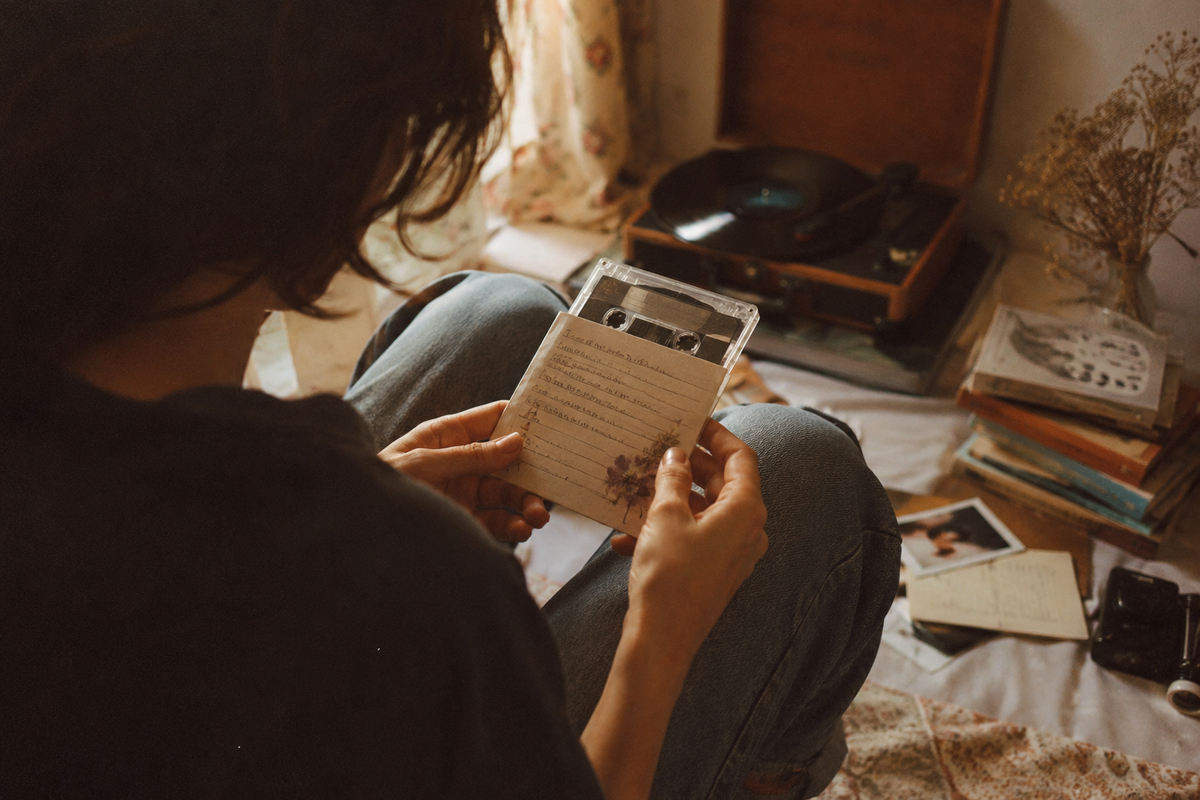
There's a moment most people recognize even if they've never lived it exactly. Someone hands you something — a CD in a paper sleeve, a cassette with handwritten titles, a little envelope that weighs almost nothing — and before you've even pressed play, you already feel it. Someone spent time on this. Someone thought about you, song by song.
That feeling doesn't have a digital equivalent. A shared playlist is kind. A good recommendation is sweet. But a mixtape made for someone, really made — chosen, ordered, maybe even designed — is something else entirely. It's one of the few romantic gestures that hasn't aged out.
What a mixtape actually says
Making a mixtape for someone isn't really about music. It's about paying attention.
It means you noticed what songs came on when they got quiet. It means you remembered what they said about that one summer, that one road trip, that one feeling they couldn't quite name. A mixtape says: I was listening even when you didn't think I was.
That's rare. And people feel it.
There's a reason custom mixtapes still work as gifts when so much else feels forgettable. The music itself is almost secondary to the act of selecting it. Every song you include is a small decision. Every decision is a small declaration. By the time the listener reaches the last track, they've experienced something that couldn't have been made by anyone else, for anyone else.
The effort is visible — and that's the point
One of the things streaming has quietly taken away is visible effort. You can send someone a playlist in ten seconds. You can share an album with a tap. And the person receiving it knows exactly how long that took.
A mixtape — especially a physical one — makes the effort legible. The time spent choosing tracks. The thought behind the order. The decision about how to start and how to end. If you've ever built a romantic mixtape with any real intention behind it, you know that the process itself feels like a kind of love letter. You're not just compiling music. You're telling a story about a person.
And when it's physical, when it's something they can hold, that story doesn't disappear when they close the app.
Order matters more than people think
A great mixtape isn't a shuffle. It moves. It has a beginning that feels like an opening line, a middle that breathes, and an ending that lands somewhere real. The best ones feel almost cinematic — not because the songs are dramatic, but because whoever made it understood how emotions travel.
This is why the playlist that defined your relationship is worth more when it's been deliberately sequenced. There's a difference between a collection of meaningful songs and a meaningful collection of songs. The order is where the feeling lives.
Think about the first track. It's not just an opener — it's the tone, the invitation, the first thing they'll hear. Think about what comes just before the end. The emotional weight of a mixtape often rests in that second-to-last song more than anywhere else.
It's a gesture that works across every kind of relationship
Mixtapes aren't only for new love, though they're electric in that context. They work just as well — sometimes better — in long relationships, where the songs can carry years of shared history. An anniversary mixtape that traces a decade together is something different from a first-date playlist. It's evidence. It's memory organized into music.
They also work across distance. If you've ever tried to find the right gift for someone far away, you know how hard it is to send something that actually feels close. A physical mixtape does that. It arrives. It stays. It plays when they need it.
Why physical still wins
You could argue that a digital playlist does the same thing. And in some ways, it does. But there's a gap between knowing the songs and holding them.
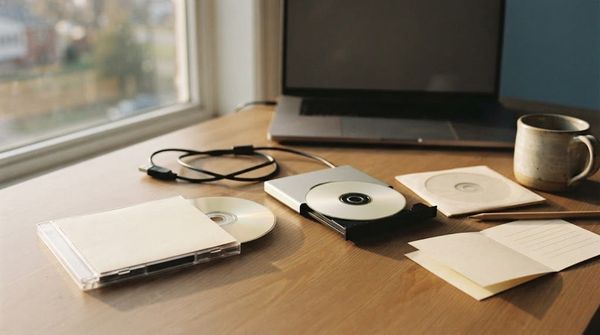
A custom cassette or a custom CD has weight. It has a surface you can design. It has a moment of being handed over, unwrapped, read before it's listened to. The ritual of putting it on — pressing play on something physical — is slower than streaming, and that slowness is part of what makes it feel significant.
We've written before about why physical music gifts feel more expensive than they are, and that perception isn't about price — it's about presence. A physical mixtape occupies space in someone's life in a way a link doesn't. It sits on a shelf. It gets replayed on a specific kind of day. It becomes part of the furniture of a relationship.
The mixtape as a love language
Not everyone is good with words. Some people find it genuinely hard to say what they feel directly, but they can show it through the songs they choose. A mixtape gives you a structure for that. You don't have to explain why a certain song made you think of them. The song does it for you.
That's not a shortcut. That's communication through a medium you trust more than your own vocabulary. And whoever receives it usually understands exactly what was meant — sometimes better than if you'd tried to say it out loud.
The right way to start
If you've never made a real one, the best advice is to start with how you want them to feel at the end. Not the last song — the feeling after the last song. Work backwards from there.
Choose songs that mean something to you both, but also a few that might be new to them. A great mixtape introduces the person to music through the filter of your taste, and that's its own kind of intimacy. You're saying: this is part of me, and I think it might be part of you too.
Don't overthink the number. Ten to fifteen tracks is usually enough to say something real without overstaying the moment.
If you want to turn that mixtape into something they can actually hold, Customixtape lets you create a fully custom CD or cassette with your own artwork, tracklist, and packaging. It's the same gesture — just made to last a little longer.