How to Make a Custom CD for Someone Who Has Never Received One
Some people have only ever streamed music — never held it. Here's how to make a custom CD that turns their own songs into a first they'll keep.
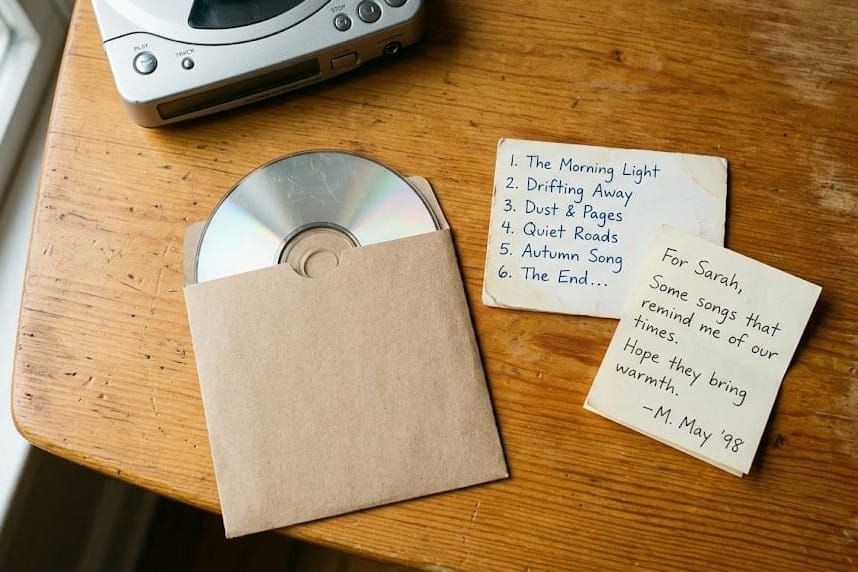
There's a particular kind of person who has never held their music in their hands. They've carried thousands of songs in their pocket since they were teenagers, but everything arrived the same way: a search bar, a tap, a stream that disappeared the moment it ended. Music has always been there for them, and somehow it has never quite been theirs.
That's exactly who a custom CD is for. Not the collector who already owns a shelf of jewel cases, but the person who has only ever known music as something weightless. Giving them a physical disc with their songs on it isn't nostalgia for them, because they have nothing to be nostalgic about. It's closer to a first. And firsts tend to stay with people.
If you've decided to make one for someone like that, the goal shifts a little. You're not just burning a playlist. You're introducing them to the feeling of music that takes up space, that has to be put on, that ends and has to be flipped back to the start. So it helps to think about the whole thing the way you'd think about any introduction: slowly, and with some care for the first impression.
Start with songs that already belong to them
The temptation is to fill the disc with your favorites, the songs you'd want them to discover. Resist it, at least a little. For someone receiving their first custom CD, the magic isn't in being shown new music. It's in recognizing themselves. The track they hummed in your kitchen, the one that was playing during a long drive, the song they texted you at two in the morning saying "this is so us." Those are the ones that make a person stop and realize you were paying attention. The whole reason a curated gift lands so hard is that it quietly says you know them, and that recognition matters even more for someone who's never had their taste handed back to them in physical form.
Aim for somewhere between twelve and eighteen songs. Enough to feel generous, not so many that it turns into background noise. A CD holds about eighty minutes, which is roughly an album and a half, and there's something honest about that limit. It forces you to choose. Every song that makes the cut means another one didn't, and that selectiveness is part of what the recipient will feel even if they never see the songs you left out.
Sequence it like a small story
This is the step most people skip, and it's the one that separates a thoughtful gift from a folder of files. The order matters. A CD plays start to finish, the way records and tapes always did, and that's a feature, not a flaw. You get to decide what they hear first and what they're left with.
Open with something warm and familiar, a song that signals "this is for you" before they've read a single track name. Put the most emotional song around two-thirds of the way through, where it can land without warning. Close on something that feels like a soft exhale. You don't need a rigid formula, just an awareness that you're shaping an experience over time rather than dumping a pile of songs in a heap. If you want a fuller walkthrough of building emotional flow into a track list, the step-by-step approach to sequencing a mixtape carries over almost completely to a CD.
Make the object feel like an object
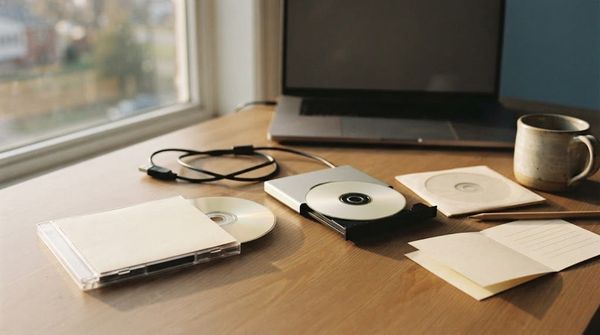
Here's where the physical part earns its keep. A blank silver disc in a plastic sleeve doesn't say much. But a CD with a real cover, a title, maybe a short note tucked inside, becomes something a person keeps on a shelf and notices for years. Give it a name. Not "Mix 1," but something that means something only to the two of you. Write the tracklist out somewhere they can read it. If you can manage even a simple cover image, do it, because the moment of opening a gift and seeing it has been designed for you is a large part of why physical music hits the way it does. There's a reason the unboxing moment outshines a shared link every single time, and it comes down to this: a link asks nothing of you, while a held object asks to be opened.
For a first-time recipient, the CD format does some quiet work in your favor too. The sound is clean and full, it plays in cars and old stereos and cheap players alike, and it feels modern and retro at once. If you're weighing it against a cassette and want to understand what each format says, the difference between a custom CD and a custom cassette is worth a minute of thought before you commit. For someone who has never owned either, a CD is usually the gentler doorway in.
Don't overthink the handover
When the day comes, you don't need a speech. Hand it over, maybe tell them to listen all the way through in order, and let the thing do its own talking. The first time someone presses play on a disc made entirely of songs that mean something between you, the explanation tends to take care of itself. You'll watch them recognize a song three tracks in and look up, and that look is the entire point.
People who have only ever streamed music sometimes forget that a song can be a place you go back to rather than a file you pass through. A custom CD reminds them. It turns a handful of tracks into an afternoon, a person, a feeling they can return to whenever they want, simply by pressing play. And the first one always means the most.
If you've got someone like that in mind, the person who's never been given music they could actually hold, you can start creating your own mixtape and turn the songs that already belong to them into something they'll keep.